
Student seating needs to match the intended users, lesson pattern, floor plan and handling routine. Seat height, shell shape, base, arms, writing tablets, glides, casters and stacking all change how a chair works in the room. GEORGE can prepare project options, while fit, dimensions, applicable standards and performance must be verified for each proposed model.
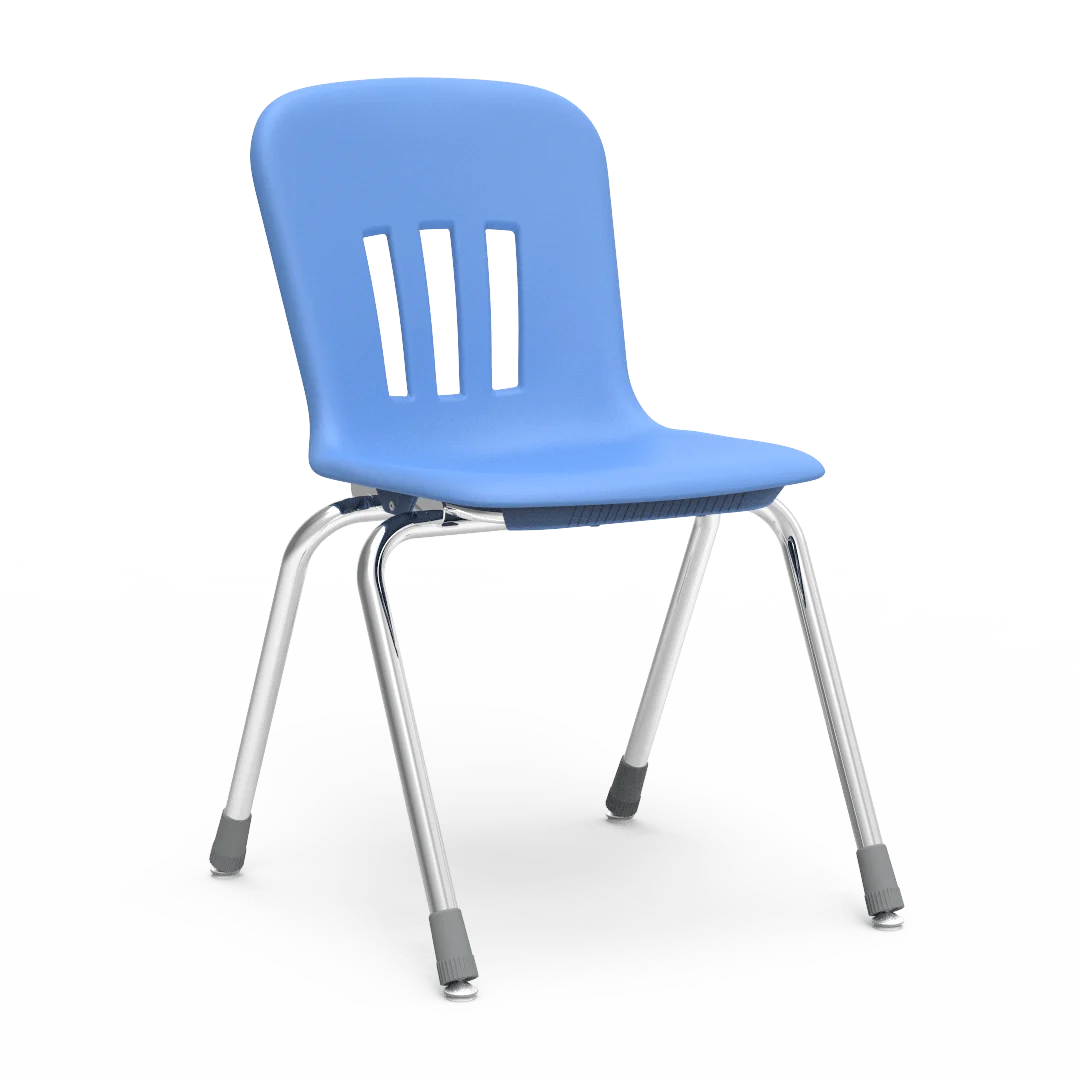
Compare chair bases, movement and writing support by use
Define whether the chair stays in one place, moves between activities, stacks for storage or carries its own writing surface. Ask suppliers to identify the exact proposed structure and dimensions; a chair category does not establish fit, handling effort or compatibility with the classroom floor.
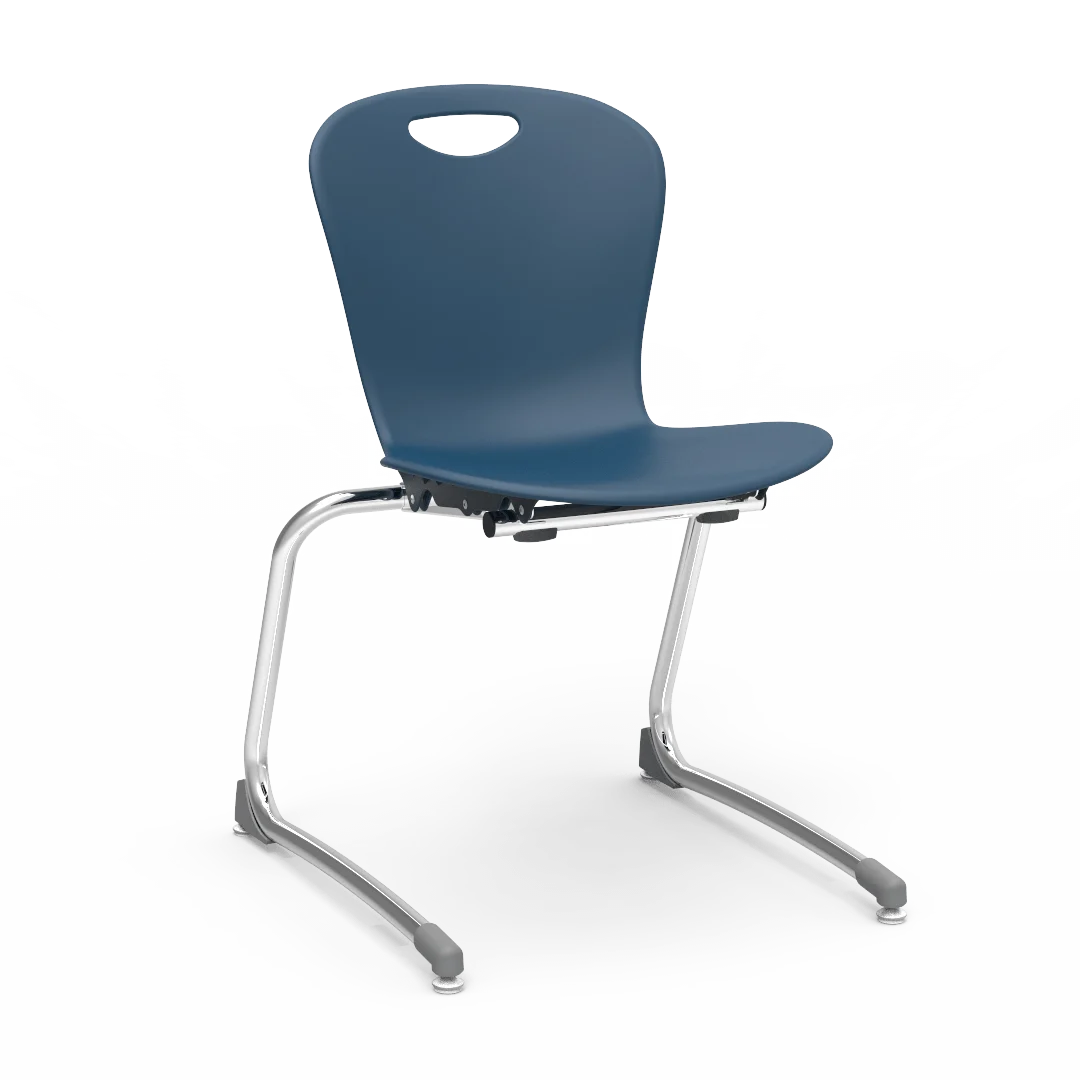
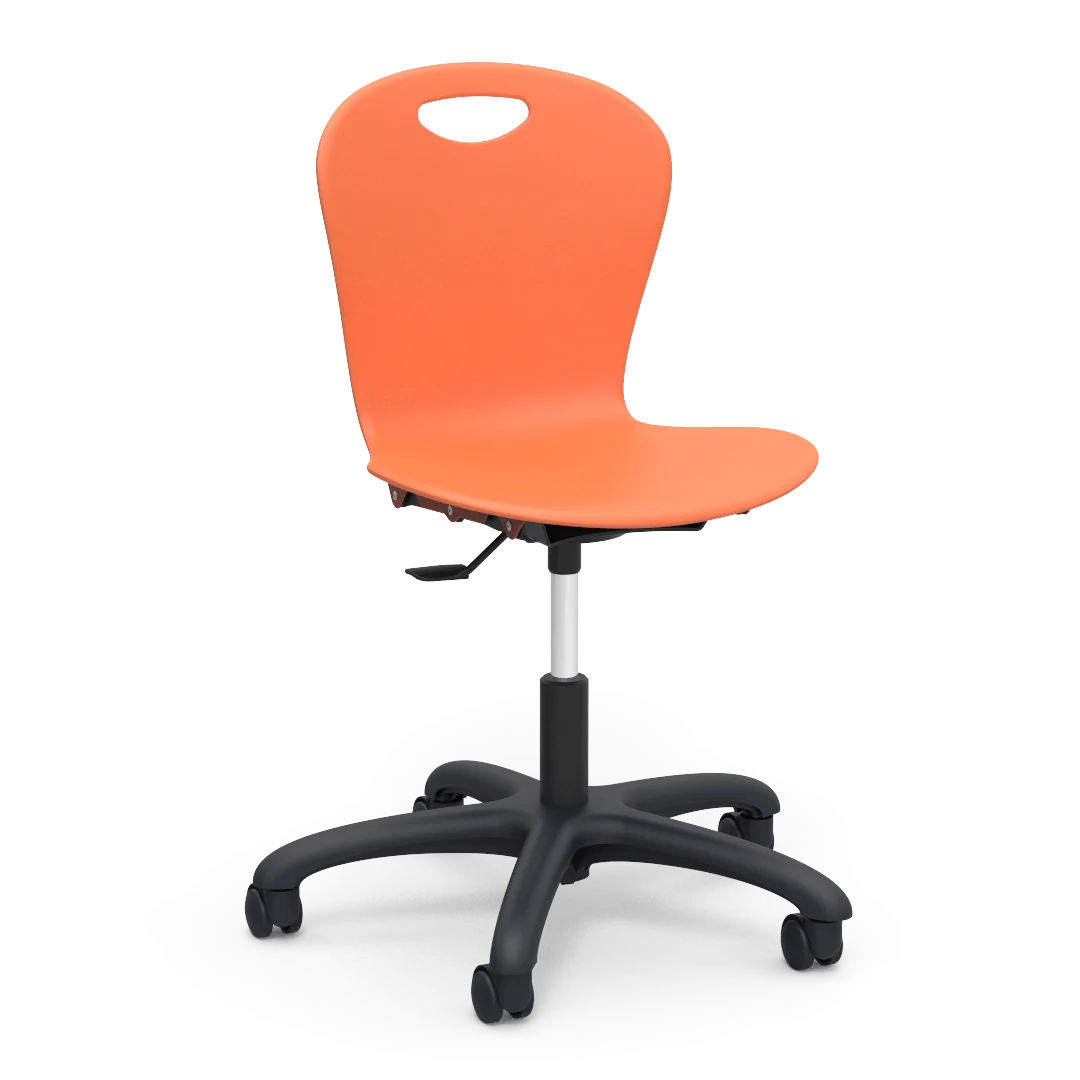
| Option | Possible use | Check for the project |
|---|---|---|
| Four-leg chair | Simple footprint and predictable placement. | Stacking limit, glide, floor finish and actual seat dimensions. |
| Sled or cantilever base | Changes floor contact and movement. | Floor compatibility, stability and nesting or storage method. |
| Caster chair | Supports movement between activities. | Brake/control, floor, supervision and parked position. |
| Chair with writing tablet | Provides an individual work surface. | Left/right use, tablet size, entry, device support and storage footprint. |
Document user fit and the daily handling routine
For every proposed chair, connect the learner group and activity pattern to the fields below and identify the supporting product information.
- User fit: Seat height, depth, width, back shape and intended body-size range.
- Activity: Length of use, forward-facing work, discussion, devices and room changes.
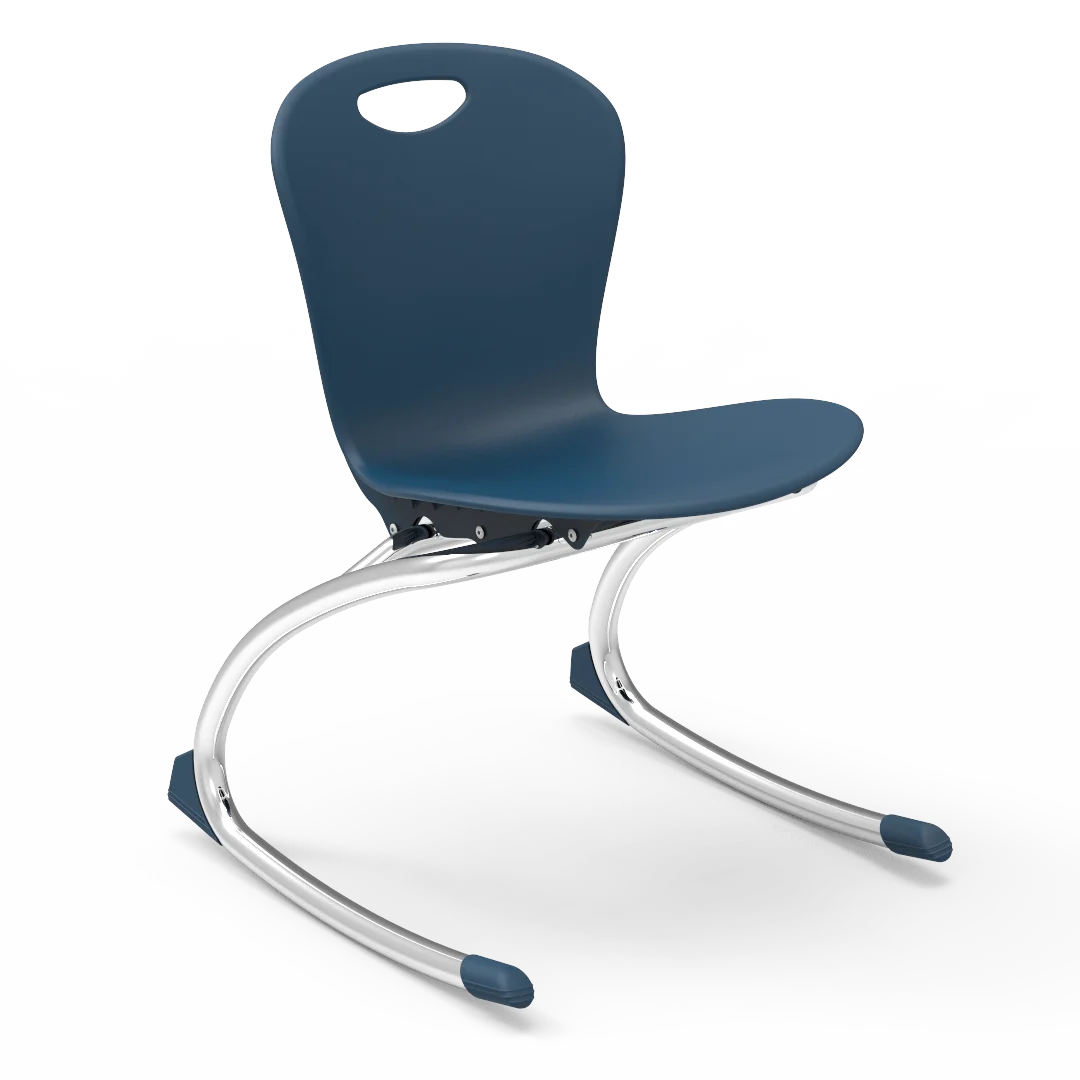
- Movement: Carry points, stacking/nesting, weight, glides/casters and staff/student handling.
- Material: Shell/frame/upholstery proposal, samples, joints and care guidance.
- Evidence: Actual product data and destination-specific documents; no learning or health outcome claim.
A similar-looking student chair cannot establish body-size fit, stacking limit, floor compatibility, cleanability or compliance for this project. Verify each point on the proposed model and for the intended user range and destination.
Plan the trial, storage and replacement routine
Where practical, review a sample against the intended desks, user range and floor finish before approving a large quantity. Record how chairs are carried, stacked or nested, who resets rooms, where stored chairs fit and which parts can be replaced. Clarify packaging, delivery phases, assembly and spare-unit handling in the quotation; classroom technology is a separate scope unless included expressly.
Prepare a student-chair brief that suppliers can compare
- User age/body-size range and quantities.
- Classroom activities and seating duration.
- Measured layouts and changeover patterns.
- Stacking, nesting, movement and storage responsibility.
- Floor finish, cleaning routine and sample requirements.
- Destination standards, product evidence, spares and delivery phases.
GEORGE can develop project-configured seating options after user fit, activity, handling and room conditions are defined. Final model identity, dimensions, materials, supported performance, required documents, quantities and delivery responsibilities belong in the project proposal and approval set.
Request classroom chairs and student seating options for your project