
Cross-border furniture sourcing requires one current item schedule, controlled approvals and named handover responsibilities. A product list alone does not show how alternatives, samples, batches, packaging, export records, transport, import and site installation will be coordinated.

Use one controlled schedule across categories
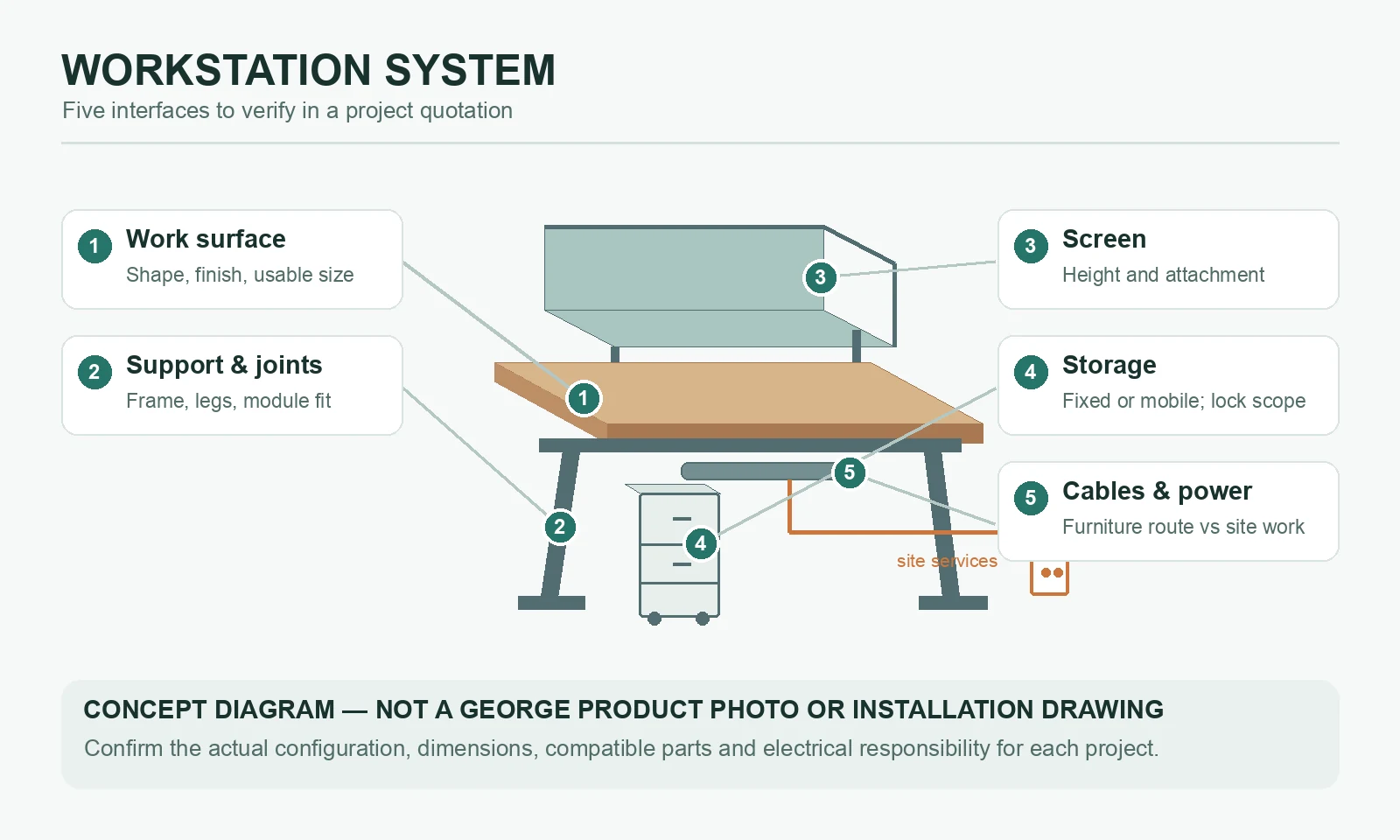
Give each line an identifier and record the room, quantity, proposed product, dimensions, material and finish, included accessories, approval status, packaging mark, destination and open issue. When several factories or production routes are involved, the buyer should still receive one coordinated view of what is approved and what remains unresolved.
GEORGE Group’s supply network can include owned factories, invested partner factories and commissioned manufacturing. The responsible route and evidence should be confirmed for the proposed items; a group name does not mean every category comes from one wholly owned factory.
Control alternatives and approvals
If an exact item or material cannot proceed, an alternative should be reviewed as a new proposal. Record why it is offered and compare function, dimensions, construction, finish, maintenance, document requirements, cost and timing. Do not allow a similar photograph or product name to stand in for approval.
Keep the approved drawing or sample reference, approver and date. Where batch variation matters, state how later phases will be checked against the retained reference.
Plan batches around site need and consolidation risk
Divide deliveries by building, floor, room or installation sequence where that improves receiving and reduces handling. At the same time, check whether splitting production affects colour consistency, freight efficiency, storage, documentation or replacement strategy. Each package mark should relate back to the schedule and intended destination inside the project.
Define documents and inspection points before shipping
- Commercial records: quotation, order or contract, item schedule and agreed changes.
- Product records: approved drawings, sample references, materials and required product or destination documents.
- Inspection records: the agreed checks, sampling basis, non-conformance handling and release authority.
- Packing records: package list, marks, component relationships, handling needs and protection appropriate to the agreed route.
- Export and transport records: documents required under the agreed trade term and route, subject to the actual destination and shipment.
- Site handover records: delivery check, shortages or damage, assembly instructions, installation scope and acceptance process.
Separate the trade term from the site-service scope
For institutional projects, CIF may be a common starting trade term. The exact named port, transfer of cost and risk, insurance, destination charges, customs, inland delivery, unloading, storage, movement within the building and installation must be read from the quotation and contract. CIF does not by itself mean delivered to the final room or installed.
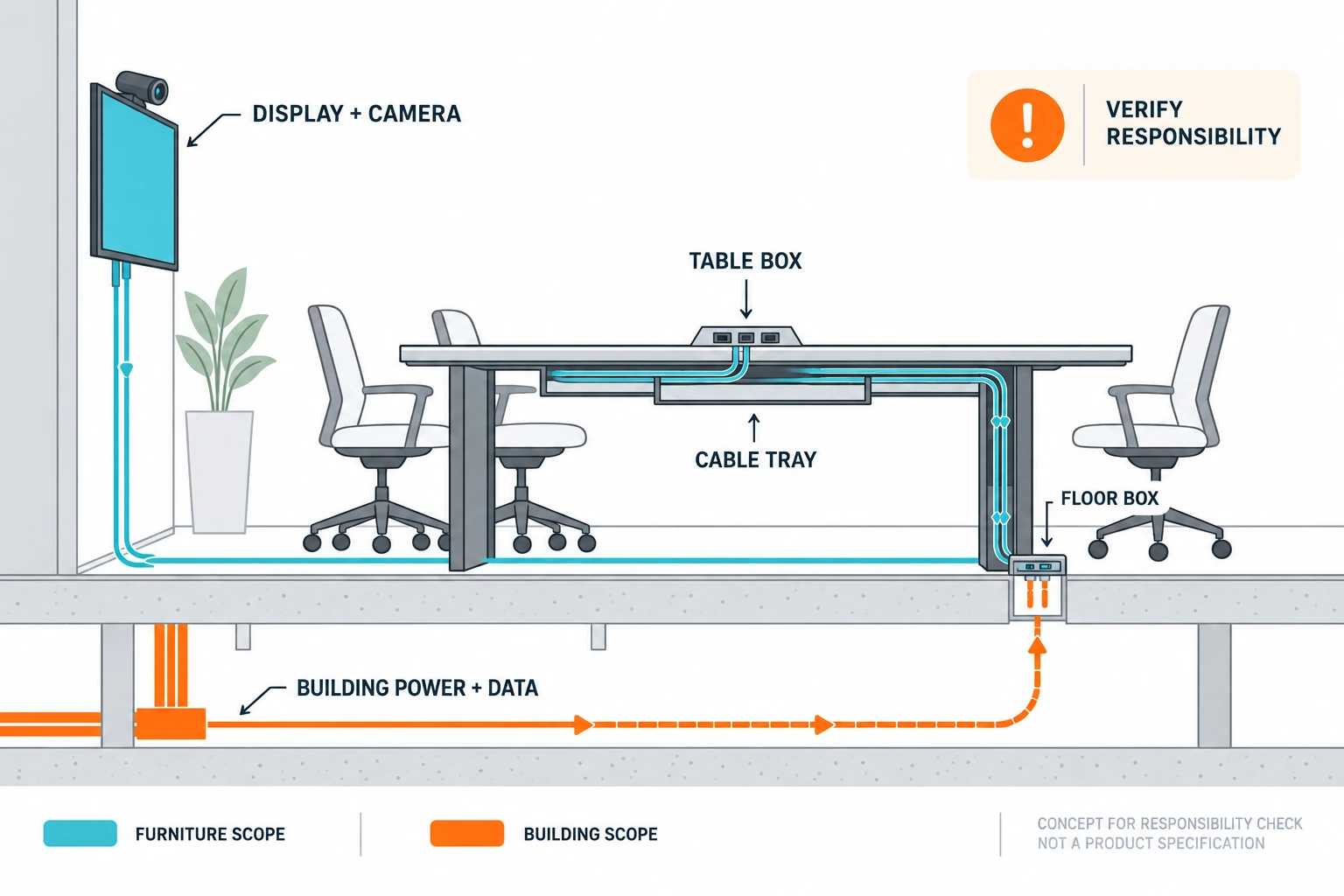
On-site installation can be discussed and is charged separately. Site measurement, readiness, access, lifting, utilities, other trades, permits, waste handling and acceptance need named owners. Delivery options vary by destination; no single route is promised globally.
Prepare the sourcing discussion
Send the destination, room and item schedule, quantities, drawings, sample or finish requirements, required documents, delivery phases, target timing, site access and requested services. Mark open questions and ask for inclusions and exclusions line by line.