
Procurement teams need documents that match the product, claim, destination and date being reviewed. GEORGE Group holds certificates and test materials, but a company-level or historical document should not be presented as current approval for every office, education or healthcare product.
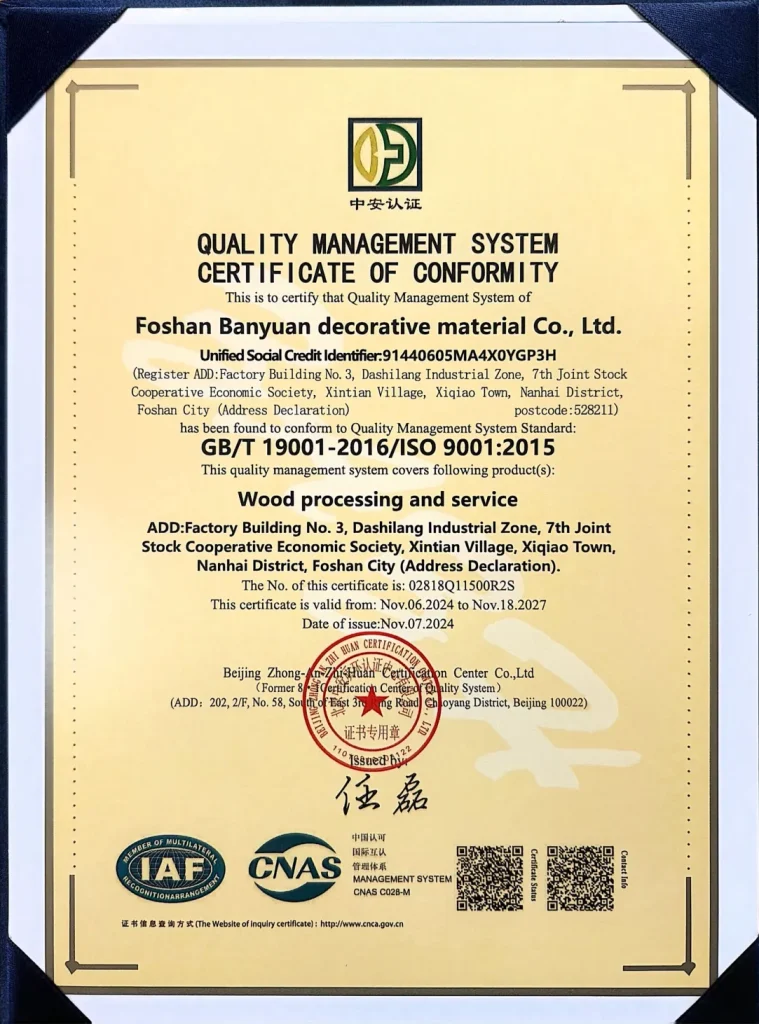
Ask what the document is meant to prove
Begin with the purchasing or destination requirement. Is the buyer checking the supplier’s management system, a material characteristic, a furniture test, a factory process, care guidance, a drawing or shipment records? Naming the decision prevents a visually impressive document from being used outside its scope.
Match every document on five points
- Subject: the legal company, factory, product family, exact model, component or material named.
- Claim: the standard, test method, classification or controlled information the document actually addresses.
- Scope: sites, models, materials, dimensions, construction and conditions included or excluded.
- Status: issue date, revision, expiry where applicable, issuer and any current verification route.
- Destination use: whether the buyer, authority or project professional accepts it for the intended country and application.
A document can be authentic and still be irrelevant to the proposed item. Ask for a written link between the furniture schedule line and the supporting record.
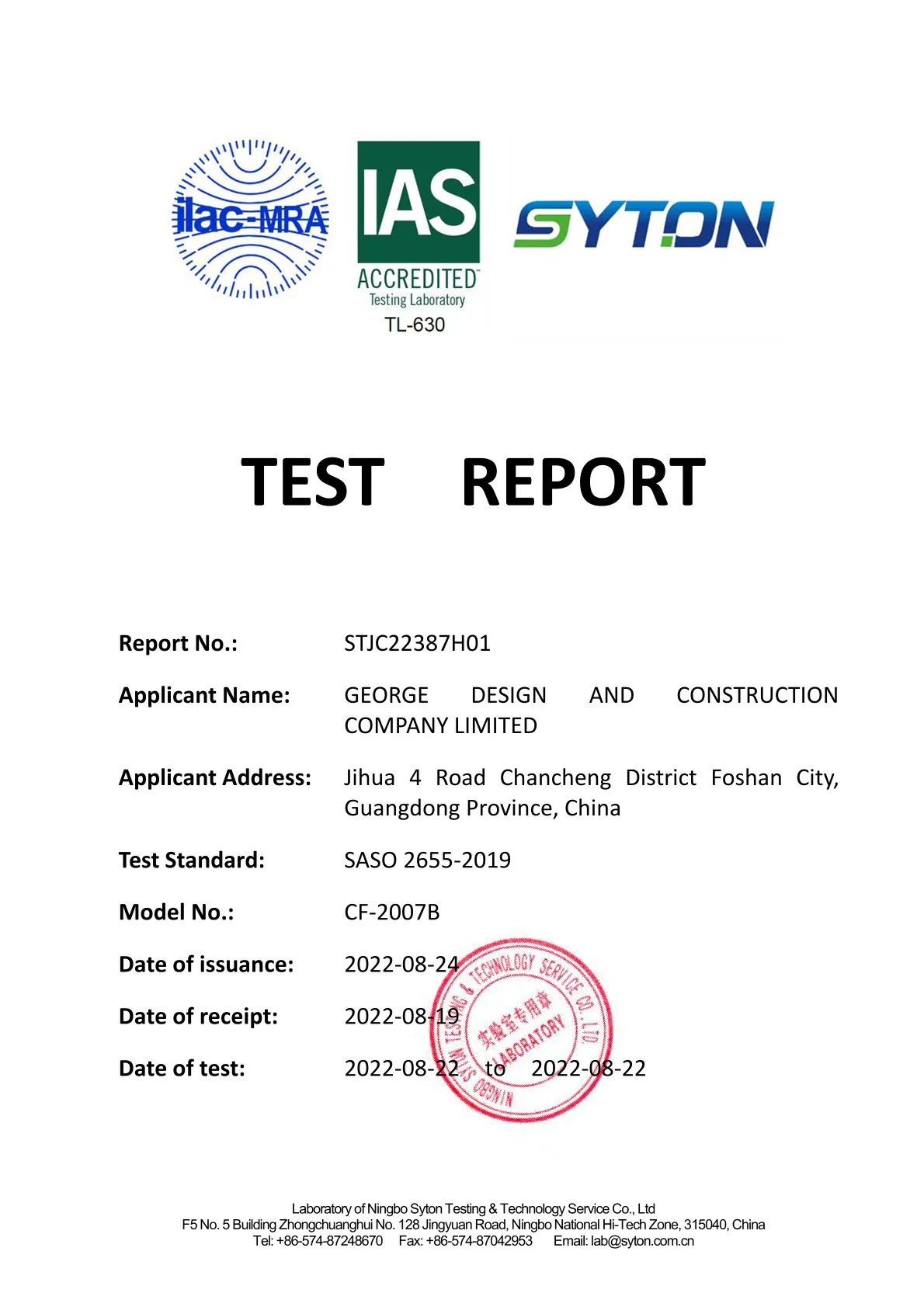
Build a project document list
| Document group | What to record |
|---|---|
| Company or facility documents | Exact holder, covered locations, standard, issue and expiry dates, and relevance to the supply route. |
| Product and material evidence | Exact item or material, construction tested, method, result, limitations and current relationship to the offered configuration. |
| Drawings and specifications | Revision, dimensions, materials, finishes, components, interfaces, approver and linked schedule items. |
| Care and maintenance | Applicable surface or component, cleaning method, prohibited products and replacement information. |
| Inspection and shipment | Agreed checks, result, non-conformance action, packing list, package marks and handover records. |
Handle gaps explicitly
If a required document is unavailable, outdated or does not match the proposed product, keep the requirement open. Possible project decisions may include selecting another documented configuration, commissioning an agreed test, narrowing the claim or declining the item for that application. The appropriate route depends on the buyer’s requirement and should be recorded rather than replaced with a general quality statement.
Request documents with the furniture brief
Send the destination, buyer or authority requirement, applicable standard if known, furniture schedule and the decision date. Ask GEORGE Office to identify which records can be supplied, which line items they support and what remains to be confirmed. Sensitive commercial or personal information in supporting records should be handled appropriately.
Request project-relevant quality and documentation information