
Furniture materials and finishes should be selected for the users, maintenance routine, visual direction and construction of the proposed item. A finish photograph can help describe a preference, but it does not confirm the substrate, surface process, colour, performance or availability of a project product.
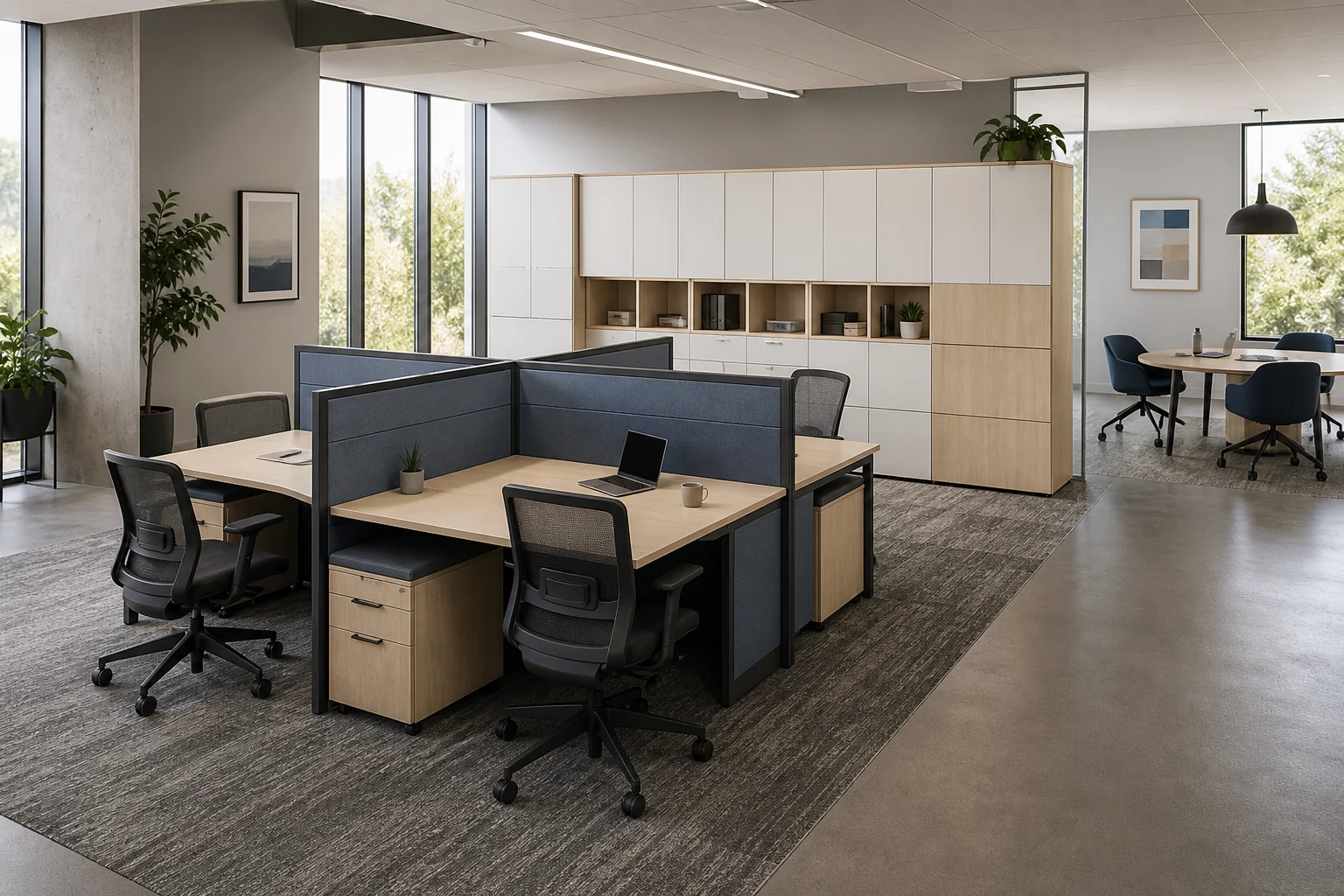
Start with the item and its operating conditions
The same visual finish can perform differently depending on the material beneath it, the edge treatment, hardware, cleaning method and exposure. For every furniture line, record:
- where the item is used and who uses it;
- which surfaces receive frequent touch, impact, liquids, equipment or cleaning;
- the required colour, pattern, texture and sheen;
- the proposed substrate, facing, edge and visible hardware;
- the cleaning products and maintenance process used by the facility;
- any destination-specific test or documentation requirement; and
- whether several batches or furniture categories need to coordinate visually.
Compare material families without assuming one universal grade
Material-family names are only a starting point. Compare the proposed construction in writing rather than assuming that all products with the same family name use the same grade, thickness, facing, edge or hardware.
| Material family | Project details to confirm |
|---|---|
| MDF | Grade, thickness, facing or coating, edge treatment, fixing method, intended use and any required product or destination documents. |
| Plywood | Layer construction, face material, thickness, exposed-edge treatment, finish, moisture conditions and relevant evidence. |
| Particle board | Core and surface specification, thickness, edge protection, hardware interfaces, loading conditions and required documentation. |
| Natural wood | Species, solid or engineered construction, grain and colour variation, coating, care and acceptable sample range. |
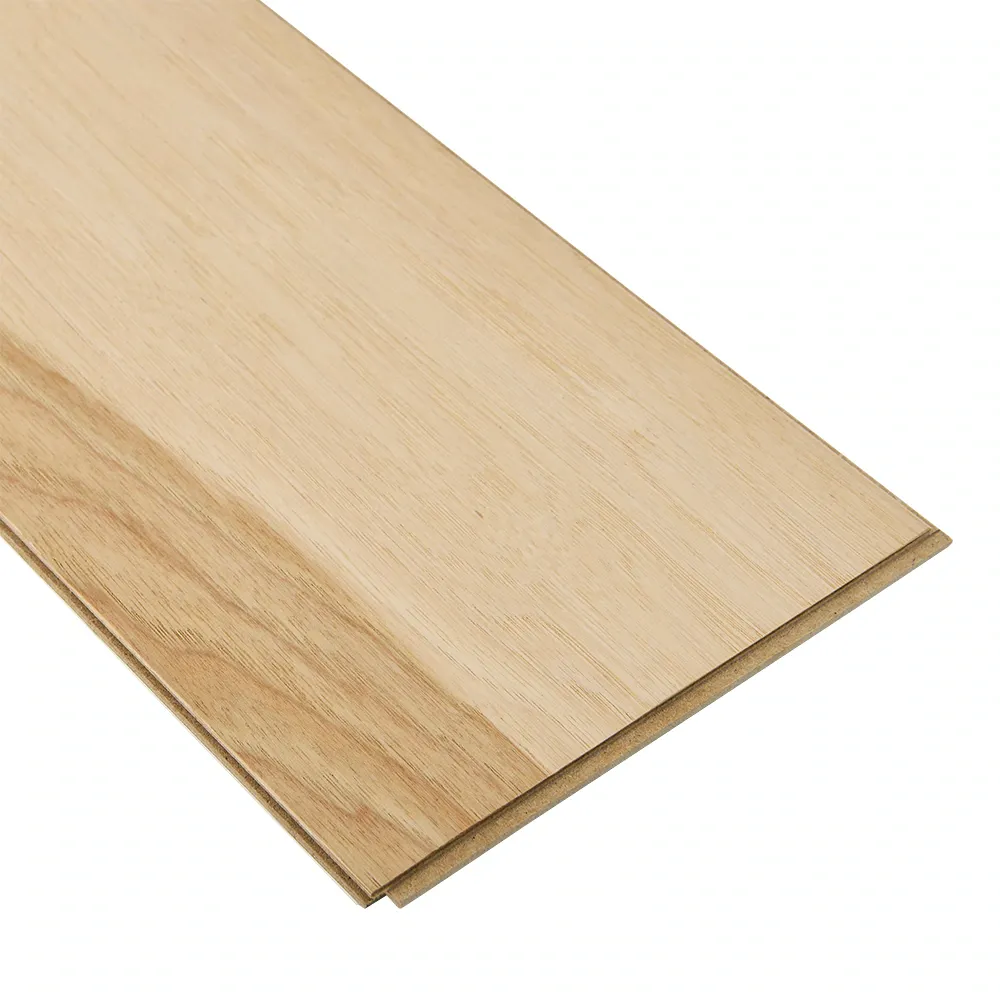
Review samples in a controlled sequence
- Direction sample: agree the broad colour, grain, texture and sheen family.
- Matched project sample: link the physical sample or controlled reference to the proposed substrate, coating and line item.
- Interface review: check edges, joints, hardware, upholstery transitions and adjacent furniture under the intended lighting.
- Approval record: identify the sample code, date, revision and items it controls. Retain an agreed reference where appropriate.
- Batch review: discuss the acceptable natural or process variation and how a later phase will be compared.
A screen image is sensitive to lighting, camera processing and monitor settings. Use it to narrow choices, not as the only colour approval.
Ask for maintenance evidence tied to the proposed surface
Describe the facility’s real routine: cleaning frequency, products, contact time, abrasion, moisture and likely spills. Ask for care guidance and any relevant test evidence for the exact proposed material. Do not infer chemical resistance, antimicrobial action, fire performance, acoustic performance, environmental status or a healthcare suitability claim from the material name alone.
Separate finish choice from quality documentation
This page helps define selection inputs and sample approvals. The quality and documentation page explains how to match a certificate or test report to a product, standard, issue date and destination. Put both the approved visual reference and the required technical records into the project document list.